
 Charles K. Millwood
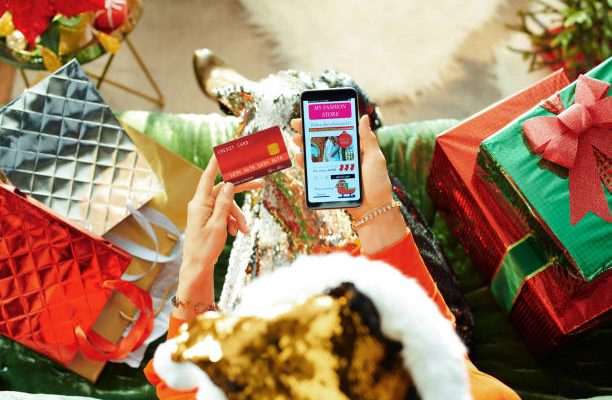
New vendors fill vacant shops with decorations, gifts, and calendars for next year, filling empty spaces. Christmas markets appear to spring from thin air. Online retailers also set up shops on high streets. These will all disappear without a trace by the new year. However, the pop-up shop phenomenon is not a fad for businesses.
Pop-up retailing can be described as a simple concept. It’s a store that is open for a short time, often just a few hours. Pop-up retailing can be in any form, including bars, restaurants, shops, and cinemas, as well as galleries and cinemas. They are often part of marketing strategies for new products and promoting brands.
Pop-up shops can be traced back to the Middle Ages’ periodic markets and the wandering salespeople selling their goods. Sellers have used pop-up shops to fulfill seasonal demand since the 14th century German Christmas markets.
A new tradition
Pop-up shops are a great option because they can be opened anytime. This flexibility is becoming increasingly important in today’s retail world. Companies are being forced to adapt to changing customer behavior and expectations.
Established high-street sellers have been overtaken in terms of market values by online-only retail outlets. Many find themselves with excess store spaces: One estimate states that there are 50,000 stores across the UK.
These spaces offer opportunities to set up pop-up shops. Different retailers can suddenly appear, create a buzz, and disappear before anyone has a chance.
Maximum flexibility
Pop-ups allow businesses to be more flexible with their location, financing, and strategy. Retailers can set up at different locations to maximize the potential of many vacant spaces in shopping and town centers.
The short-term rental of this space can bring in rent and provide opportunities for new business owners to try out their business models.
Retailers can also set up pop-up shops to reach customers where they are, for example, by capitalizing upon potential customers attending festivals and events. You can also become “nomadic” by setting up stalls in specially-designed marquees or repurposed shipping containers.
Pop-up shops allow start-ups to test their business ideas without having to lease permanent premises. Due to the high cost of commercial rental in major cities, “shop share” has been popularized. Small retailers can rent a table, shelf, or stand from a larger shop to help them grow.
These initiatives encourage greater collaboration between retailers and have helped independent businesses to increase their brands. The success of business ideas can be developed from pop-up to staying-up. Pop-up shops can provide strategic flexibility.
Online, in person
Pop-up shops can be a great way for established businesses to market their products and brand and connect with the public. Online retailers can also benefit from pop-up shops. For example, last Christmas, eBay opened a shop in central London that featured 200 of their most popular products.
This allows online-only shops to have more interaction with and feedback from consumers. It also allows brands to connect to specific cultural, sporting, or fashion events.
The retail industry is blurring the lines between traditional and pop-up retailing. Retailers will use every opportunity to increase their sales during peak trading periods like Christmas, including pop-up shops. These snow-festooned shops may be gone by the new year, but it seems that the pop-up store is still available for retailers for all seasons.







