
 Charles K. Millwood
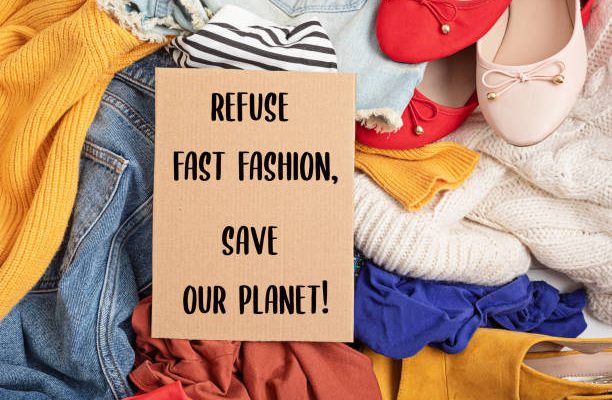
When there is so much new and appealing clothing on the market, it can be difficult to love your clothes enough to keep them in good condition. Before you rush to the January sales to grab those tempting deals, think about the environmental impact of fast fashion.
Fast fashion is all about speed and cost. It is especially harmful to the environment because of the pressure to cut costs and reduce the time required to get products from design to the shop floor. Fast fashion is criticized for its negative impact on the environment, water pollution, toxic chemicals use, and increased textile waste levels.
Fashion garments are known for their vibrant colors, patterns, and beautiful fabric finishes. However, many of these are made with toxic chemicals. After agriculture, textile dyeing is the largest pollutant of clean water worldwide. After testing various brands’ products, Greenpeace’s Detox campaign was instrumental in urging fashion brands to eliminate toxic chemicals from their supply chain. These chemicals are often banned in different countries or strictly regulated because they are toxic and bio-accumulative. This means the substance builds up faster than it can be excreted or metabolized. They are also disruptive to hormones, carcinogenic, and disruptive.
Polyester is the most widely used fiber for fashion. Polyester garments can be washed in household washing machines, but they will shed microfibers which contribute to plastic buildup in the oceans. These very small microfibers can easily pass through wastewater treatment plants and our waterways. However, because they don’t biodegrade, they pose a serious threat to aquatic life. The microfibres are eaten by plankton and other small creatures, moving up the food chain to shellfish and fish that humans can consume.
Continue reading: How plastic pollution from laundry piles can pollute the ocean.
The True Cost documentary shows the devastating effects of toxic chemicals used in agriculture to grow cotton. It also includes the deaths of two US cotton farmers from brain tumors and severe congenital disabilities among Indian cotton farmers’ children. To prevent crop failure, cotton growing requires water and pesticides. This can prove problematic for developing countries where there may not be enough investment or a drought risk.
The majority of cotton grown around the world is genetically modified to resist the bollworm pest. This improves yield and reduces pesticide use. However, this can lead to other problems down the line, such as the appearance of superweeds resistant to standard pesticides. These superweeds often require more toxic pesticides to control them.
Organic cotton is gaining popularity. H&M and Inditex (the parent company of Zara) were among the top five organic cotton users by volume in 2016. However, organic cotton is only 1% of the world’s annual cotton crop.
Hunger for newness
Fast fashion’s unintended consequences include textile waste. People buy more clothes, but don’t keep them as well as they used. The international expansion of fast fashion retailers has exacerbated the problem. The problem is worse in developing countries where the wardrobes are already full. To sell more, retailers must keep their inventory up-to-date and convince customers that they no longer have fashionable items.
The rise in disposable income over the past few generations has meant less need to “make it and mend”. It’s usually cheaper and easier to buy new items than to repair an item. People are busier than ever, making fixing their clothes harder. Clothing has become “disposable” thanks to the availability of fashion in supermarkets and regular sales.
Continue reading: Community repair: A pop-up alternative for the throwaway society.
Although there is interest in moving to a circular model of textile production that reuses materials whenever possible, current textile recycling rates are extremely low. Three-quarters of Britons discard unwanted clothing instead of donating or recycling it, despite a well-established network of charity shops in the UK and an increasing number of high-street stores with in-store recycling points.
What shoppers can do
Can consumers cut down on the environmental impact of fast fashion shopping? It is difficult to choose an eco-friendly fabric as each type of fiber has pros and cons. Natural fibers may not be better than synthetic fabrics, but labeling garments as such does not mean they are superior. All fibers must be spun, knitted, woven, dyed and finished before they can be sewn or transported. Each of these processes has different environmental effects.
Choosing organic fabrics can be better than non-organic fabrics, for example. However, organic cotton requires more water and impacts more than dyeing polyester.
Recycling content is often the best option because it reduces the need for virgin resources and addresses the growing problem with waste management. Patagonia, for example, was the first brand to create polyester fleece from recycled plastic bottles. It decided to simplify its T-shirt ranges in 2017. Starting in spring 2018, it will only offer two fabrics: 100% organic cotton or a mix of recycled cotton, acknowledging the negative environmental effects of organic cotton.
The charity WRAP’s Love Your Clothes initiative provides information to consumers at every stage of the buying process. This includes buying smarter, caring for and repairing items, upcycling, customization, and responsible disposal. The best thing we can do for our clothes is to make sure they last longer and buy less.







