
 Charles K. Millwood
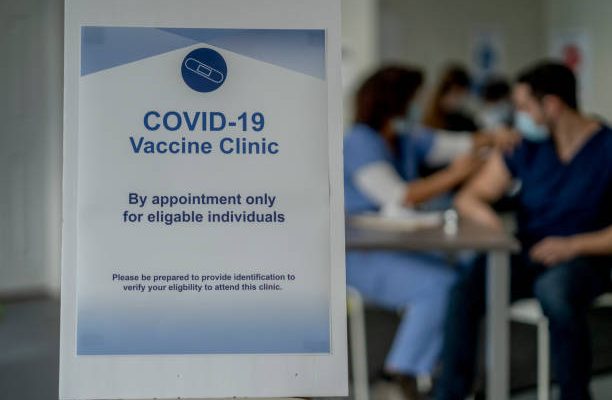
Although the epidemic is declared over, many are still affected by health issues following COVID-19. A particular illness, dysautonomia, has become prevalent among people suffering from COVID-related conditions and other chronic diseases.
Dysautonomia is a broad name for conditions that affect the functioning of the autonomous nervous system (ANS). This ANS regulates our voluntary functions like breathing, heart rate, blood flow, digestion, and many others.
In reality, the rising number of patients suffering from dysautonomia has led UCLA Health to establish a dysautonomia task force to ensure that patients receive the proper treatment.
Dysautonomia-specific treatment options are scarce.
UCLA Health’s newly-formed dysautonomia task force makes it one of only a handful of locations on the West Coast that offers full-scale treatment for the condition.
William Pittman, MD, an internal medical specialist and UCLA Health extensive, said the treatment of dysautonomia differs for every patient.
“It takes a village to treat dysautonomia, and the piecemeal approach where they see this person over here and that person over there doesn’t really work,” Dr. Pittman said.
He said, “Putting together a comprehensive, multidisciplinary clinic that works with everyone is an excellent solution for this condition and is only possible in Southern California.
UCLA dietitians are a multidisciplinary task to force
Nancee Jaffe MS, RDN as the lead dietitian of the UCLA Vatche and Tamar Manoukian Division of Digestive Diseases, and her colleagues noticed that they were receiving a lot of referrals from patients with dysautonomia.
“We kept ending up with patients who were either coming straight to us or going to a GI doctor (gastroenterologist), getting diagnosed with irritable bowel syndrome and ended up with us,” Jaffe said. “However, we knew something else was happening when they’d speak about their blood pressure dropping or experiencing difficulty breathing.
“We reached out to cardiology and neurology and that’s how we ended up building this task force,” Jaffe explained. “Now we have an entire team of more than 20 dietitians, doctors and nurses from UCLA. In the past, these patients didn’t have access to a referral network. We are now this referrer network.”
Common dysautonomia-related forms
In the category, at most, fifteen disorders belong to the umbrella of dysautonomia. The most prevalent is postural orthostatic and tachycardia syndrome (POTS), per the doctor. Pittman. POTS is a disorder that causes feeling lightheaded or vibrations due to an increased heart rate as they move from sitting to standing, which can be 120 beats or more per minute. This often leads to difficulty with routine everyday activities like cooking or bathing.
Before the outbreak it was discovered that POTS affected approximately three million Americans. In the post-pandemic period, the condition affects more than 6 million Americans.
“We see a frequent number of POTS patients and then we also see a number of patients with orthostatic hypotension,” Dr. Pittman said. “That is when the blood pressure drops upon standing.”
Is dysautonomia curable?
Certain types of dysautonomia are more severe than other types. There isn’t any single treatment that can reduce the symptoms.
“It depends on the severity,” Jaffe said. “People can suffer from minor or severe manifestations of it. We have had a couple of patients recently who had long COVID with POTS as the primary manifestation. After we made sure they had adequate water intake as well as sodium levels and blood pressure controlled, they became better. Yes, we’ve observed the disease go into remission, however, it is dependent on the individual’s medical requirements.”
The UCLA Dysautonomia Task Force’s informal name, suggested by Jaffe, is not a service line that is officially recognized. Still, Dr. Pittman foresees the growth and significance of the medical department.
“In terms of where we see this going, its purpose is to create that village of a multidisciplinary clinic or a multispecialty clinic in what’s called a ‘hub and spoke’ model where the patient sees one central person who then refers them out to the appropriate people,” Dr. Pittman said.
“Then, at the end of the day, everybody is coming together to treat the patient in an integrated approach.”







