
 Charles K. Millwood
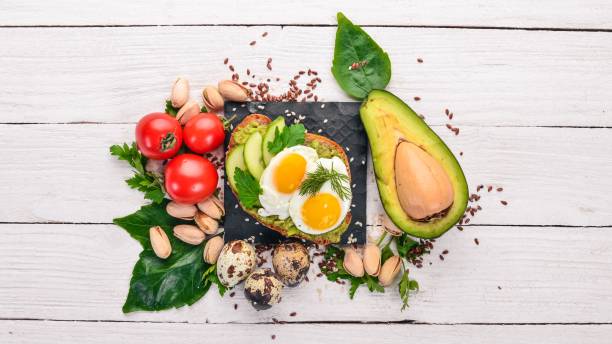
Dear doctors, I’ve been on keto to shed weight for a couple of months. I’m close to achieving my goal and am eager to return to consuming more carbs. What is the best method to transition from keto to a regular diet? I’m concerned that if I consume carbs once more, I’ll gain the weight I’ve lost.
Dear Reader: If someone adheres to the keto diet, it indicates that they are severely restricting their consumption of carbohydrates. They are the primary elements that help the body produce sugar and are the preferred fuel source. Since carbohydrates are primarily eliminated from the diet, the body must shift to Plan B, which involves burning fat to produce energy. This is a process of metabolism called ketosis, which gives the keto diet its name.
When a ketogenic lifestyle is followed, the amount of carbohydrates consumed is reduced to around 10% of the total consumption. The remainder of the diet is comprised predominantly of protein or fat. The proportions will vary based on the keto diet you adhere to. A moderate-protein and high-fat approach is currently the most popular type of keto. Another method to get the body into ketosis is a high-protein, low-fat diet; many refer to the Atkins Paleo, Zone, or Atkins diets. Whatever keto version you select, the restrictions on carbs result in ketosis, a state of burning fat.
Keto could be a beneficial method to kick-start weight loss. However, it has some drawbacks. With the strictest limits on carbohydrates, maintaining a nutrient-rich, balanced diet requires effort and a careful plan. If you’re on a strict diet for an extended period and then return to “normal,” eating can be difficult. To achieve the best results, it’s best to transition slowly. It’s best to plan for a few weeks to gradually introduce more carbs — and more calories to your food plan.
It’s also essential to be aware of the two types of primary and complicated carbohydrates. Complex carbohydrates contain more nutrients than simple carbohydrates. They also have higher levels of fiber. Since they consist of long-chain sugar molecules, they require longer to absorb. Complex carbs can be found in unprocessed whole foods, including whole grains, vegetables, beans, legumes, nuts, leaves, seeds, and fruits.
Simple carbs, on the other hand, are sugar-based short-chain molecules that absorb rapidly. They are made up of table sugar and sugar syrups. Simple carbs deliver calories but lack nutrients. They can cause a rise in blood sugar levels and cause you to feel hungry. Fruits, vegetables, and other whole foods contain simple carbohydrates. However, the impact is lessened by the higher content of fiber.
When you are moving away from keto-friendly restrictions, avoid easy carbs. This includes soda, sugar, candy, and other sweets and processed foods. Instead, focus on an eating plan high in lean proteins, healthy fats, and complex carbohydrates. One good example to follow would be that of the Mediterranean diet. Follow the same method of discipline that helped you stick to keto and pick quality carbs, protein, lean proteins, and healthy fats.







