
 Charles K. Millwood
Post-intensive care syndrome (PICS) is a new term to describe an array of health issues experienced by patients who have received treatment in the ICU (ICU).
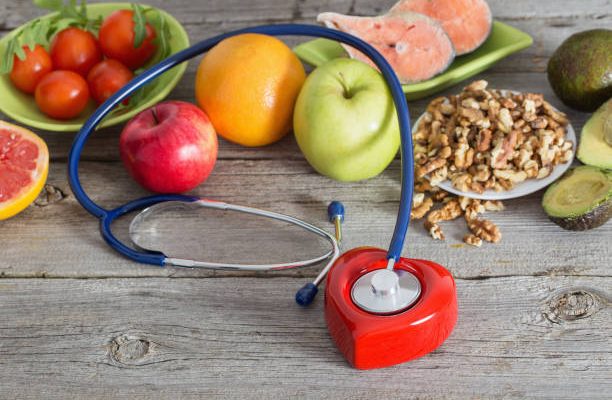
PatiSeveral specialists typically treat patients with PICSaddress physical and psychological issues. A healthy diet, however, is crucial to their recovery, and dietitians are a vital part of the treatment team.
Peggy Dai, senior dietitian at Ronald Reagan UCLA Medical Center, says malnutrition isn’t typical among PICS patients.
“When patients are just getting out of the ICU, 70% to 80% of them have poor appetite,” she explained. “Some are experiencing changes in taste, and it causes them to not eat enough food.”
Since they don’t enjoy eating, patients suffering from PICS consume just 50% or less of ideal nutritional requirements, Dai said. This, in turn, reduces their capacity to recover fully.
Evaluation of nutrition in critically sick patients
Patients admitted to an ICU suffering from chronic illnesses like cancer might already be undernourished. In such a situation, dietitians have an enlightened window to assess the nutritional needs of their patients.
“I prefer to evaluate my patients who require urgent aid immediately. They might not be able wait just a few days and their diet becomes the most important aspect of their recuperation,” said Dai. “The important thing is getting them nutritionally stable right away, but we understand that some critically ill patients may not metabolize the nutrients very well.”
The individual’s needs will determine the duration. The process of stabilizing nutrition for post-ICU patients could take anywhere from 10 to fourteen days, Dai said. Making lifestyle changes after they have left the ICU is often a significant part of the speed at which the patient recovers.
Assessing malnutrition in every ICU patient
“We’re focusing on how we define malnutrition,” Dai explained. “Sometimes, patients can feel like they’re eating fine, but they don’t realize they’re not getting the right nutrients in their food.”
Malnutrition can appear different for different people, So identifying its symptoms is vital.
“Let’s imagine you have an inpatient that is in the ICU suffering from diabetes or kidney disease. it could take months to create the right nutrition program for the patient. However, for patients with COVID, who has lost muscle mass in the days following admission, we need to determine the cause on an entirely different timeline,” Dai said.
Problems in ensuring proper nutrition for patients suffering from PICS
Dai acknowledged that there are difficulties in treating patients suffering from PICS. One of the challenges is making patients realize the importance of nutrition as a component of their healing.
Another issue is providing patients in an ICU for long periods with a wide range of tasty choices that make them hungry and increase their enjoyment. This challenge is amplified due to the religious or cultural preferences of the patients.
“As nutrition professionals, we need to be able to meet patients somewhere in the middle,” Dai explained. “We are working on increasing the variety of foods with healthy benefits we can offer.”







