
 Charles K. Millwood
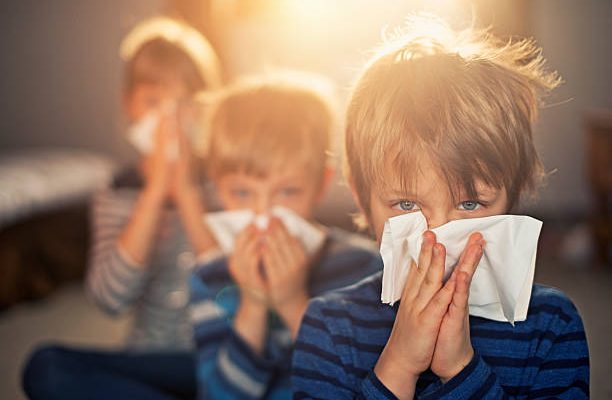
Record-breaking rainfall across Southern California has left children and adults suffering from allergies with symptoms aggravated by the windy, rainy weather.
Maria Garcia-Lloret, MD, a UCLA Health pediatric allergist and immunologist, said that a light shower can remove pollutants from the air and remove pollen. However, the recent record-breaking rainfall divided pollen into smaller particles that are easier to breathe and penetrate deeper into the lungs.
“The symptoms have been more persistent and worse,” Dr. Garcia-Lloret, professor of pediatrics at the David Geffen School of Medicine at UCLA. “Since October there is an increase in appointments to treat nasal congestion. a runny nose and cough that isn’t going completely. We’ve also noticed an increase in asthma flares among patients who were previously managed.”
Alongside the weather, an additional complication of this allergy season is the overlap of symptoms with an increase in winter and fall symptoms and a more extended surge in upper respiratory illness, the doctor said. Garcia-Lloret notes.
“People come to me for allergies, but I keep an open eye for other possible causes of their symptoms,” she declares. “Some kids have allergies, some have RSV or other viral infections, some maybe have both.”
Dr. Garcia-Lloret says it’s essential to find out what’s causing symptoms and to provide appropriate treatment, mainly since children suffering from allergies have skipped school due to an abundance of precautions.
A perfect storm
The pollen of trees, a frequent outdoor allergen found in Southern California, is most common from January to May. Dr. Garcia-Lloret says that extreme storms, such as those that have ravaged the region recently, can turn larger pieces of pollen into tiny particles and transport them throughout larger areas.
“By breaking down the little pollen particles they make them more dangerous,” she declares. “These microparticles can travel faster with water, with winds.”
Research has revealed that following thunderstorms, emergency rooms notice an increase in patients suffering from asthmatic symptoms.
“Bad rains can cause asthma attacks in allergy patients,” Dr. Garcia-Lloret says.
Asthma generally begins in childhood and can lead to coughing and difficulty breathing after inflamed airways.
According to Dr. Garcia-Lloret, studies of asthma attacks after storms have revealed a lag of several days before flareups occur.
“Each person might be a little bit different, with different sensitivity,” she adds.
For those with allergies who do not have asthma, inhaling more pollen could cause increased symptoms like nasal congestion and sinus pressure, post-nasal drip, and coughing.
People who suffer from allergies could be more vulnerable to viral infections. These grew in the winter and fall with a mix of RSV in children and cases of COVID-19 and flu.
Treatment and prevention
Dr. Garcia-Lloret recommends that parents of children suffering from allergies should take care to protect them for up to 5 days following heavy rain. She recommends closing windows, ensuring that your hands are cleaned and washed after going outside, and possibly applying a nasal saline cleanse to eliminate pollen stuck inside the nasal passages.
“If there’s going to be a storm, try to stay home and close your windows,” she advises. “Being informed, looking at the weather and pollen counts, might help.”
Doctor. Garcia-Lloret says that allergies can be treated but are not always cureable. People suffering from allergies typically use an antihistamine or a nasal spray of steroids to ease their symptoms.
This time, she’s noticed that her symptoms are harder to control with the usual mixture of medications.
“The usual medicines that are used on an as-needed or permanent basis don’t seem to be enough,” Dr. Garcia-Lloret says. “If the medications aren’t working, we might require a higher dose or even add more. Also, we should consider different causes, like sinus infections or bronchitis that could be signs of complications of allergies that are not properly treated.”
Dr. Garcia-Lloret states that parents hesitate to allow their children to take allergy medicine. However, she says they’re secure, usually on the market, and sometimes even for a short period.
“Medicine isn’t always permanent. It’s a dynamic field,” she says. “I usually tell families that the objective of treating allergies is to make the patient comfortable and to prevent complications.”
Untreated allergies may also play a role in fatigue and chronic headaches.
“Allergies can be an annoyance, but an annoyance that sometimes leads to things you don’t necessarily associate with allergies,” Dr. Garcia-Lloret explains. “If you are unable to breath through the nose, or you scratch, you do not sleep well. Sleep is essential to our well-being and our executive functions.”
The monitoring of symptoms is crucial, according to her. Children and young adults might initially receive treatment by a pediatrician or a primary care physician. If symptoms persist or get worse, an allergy test is necessary. It can be anything from skin to blood tests, which an allergist usually performs.
Dr. Garcia-Lloret says she expects allergy symptoms to return to their baseline when spring rains recede and the amount of pollen in the trees decreases in June.
“What was unusual in the season was the combination of more respiratory infections and more rain on top of what is historically the worst pollen season in Southern California,” she says.







