
 Charles K. Millwood
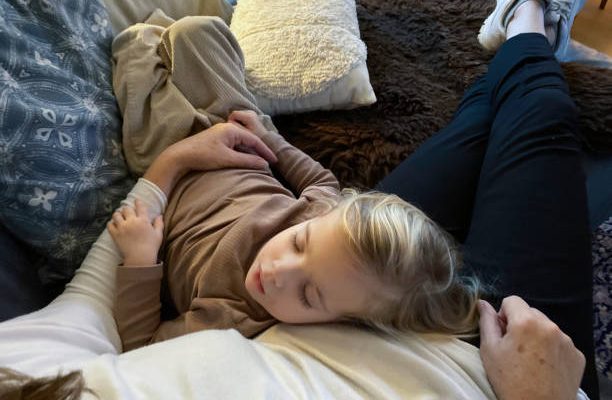
The slow pace of summer usually implies a less structured schedule which means more time for relaxation and earlier wake-up times. When the school year starts, ensure an effort to get a good night’s sleep to set the stage for a prosperous year.
Transition takes time
For children who’ve been spending the summer laying awake in the evening watching films and going to their friend’s homes or having sleepovers and then settling down the next day, it is essential to “transition back into a pattern that’s conducive to the school year,” said Sam Kashani, MD, a sleep medicine specialist and an assistant professor of clinical medicine of UCLA’s David Geffen School of Medicine at UCLA. While this is only sometimes most of the time, the ideal summertime sleeping schedule is an hour earlier than the regular schedule for the child, the doctor said.
Give yourself at least two weeks for your body to adjust to school and back to school, The doctor. Kashani advised. Much depends on how often the school schedule has to be altered: a faster and more drastic change could not be a pleasant experience for children and parents than a gradual change.
Try to work for 20-30 minutes shift every day, he suggested, and use the total time change as a reference to determine the best time to begin preparing.
Set the foundation for the night.
If your overall method of settling down has become less structured, The end of summer is an excellent opportunity to perform a tune-up. This involves taking note of your general hygiene at night, which includes:
Encouragement of the habit of being consistent: Being consistent about bedtimes and wake times will help to keep children’s sleep patterns in check, which makes it easier to go to bed and get up in the early morning.
Make sure you have a sleeping space that is cool, dark, and peaceful: Curtains with blackout curtains are beneficial for rooms that receive early morning sun exposure. Making sure the thermostat is at the lower end of the spectrum (or doing other things to ensure that spaces are cool) will make you feel the most relaxed. If the noise in the room is disrupting sleep, consider using a white noise device to block the noise. As said Dr. Kashani explained, the objective is to “optimize the bedroom environment to ensure you have a sleep-promoting environment.”
Limiting the exposure to evening lights: Sleep timing is strongly affected by exposure to darkness and light that affects your body’s circadian rhythm, also called an internal clock. One of the most important aspects is the release of melatonin, a hormone that induces tiredness, from the pineal gland at night. It usually happens around three hours before falling asleep, Dr. Kashani noted.
However, exposure to nighttime lights could slow the process. Since bright light (mainly blue light) exposure during the evening induces a sense of alertness, paying close focus to the overall house lighting and using electronic gadgets is crucial, according to him.
“The more bright light we expose ourselves to during the three-hour period before we naturally fall asleep,” Dr. Kashani said, “the more likelihood that the circadian rhythm will be delayed.”
Turning off or reducing overhead lighting can help limit technology usage. Smartphones that are backlit and flat-screen TVs rely on LED light that produces more blue-colored light. One method to combat this is to turn on”night shift” or “night shift” mode on phones and other devices to dim the screens, as Dr. Kashani noted automatically.
He explained that controlling nighttime tech usage and the blue-light effects of phones and other technological devices can be stimulating, not sleeping due to the content consumed. This is the case for various content, from television programs to videos on YouTube. It’s easy for teenagers and kids to spend longer online or watching television than planned, which can reduce their sleep time.
Due to the impact of screen usage on your sleep, In light of the effects of screen time on sleep, the American Academy of Pediatrics suggests closing down devices one hour before the end of daylight and replacing them with a non-technical wind-down routine.
The AAP also suggests removing phones and other tech gadgets and tablets from bedrooms late at night. Instead, the group stated that families could create an area for charging devices in a shared space like the kitchen. Another solution is to use alarm clocks, not applications for phones, to wake up alarms.
The process of winding down at night: Having a regular time to wind down can help kids and teens settle down and enjoy more restful sleep. “Kids thrive on routines,” said Dr. Kashani, adding that “consistency is everything.” Dr. Kashani added that this could even mean doing the routine of nightly wind-down tasks in the exact order in which they are performed.
“Have a routine where the stimulation is low from a sound and bright-light perspective and from an activity perspective,” he stated. “I always tell people that in that last hour before going to bed, the less stimulation, the better.”
Children may need several days to transition from a relaxed summer sleep routine and return to school. (Photo by Joshua Sudock/UCLA Health)
According to him, sharing quiet time or stories is a good option for younger children. For older kids, they can read or color, or even soak in a tub to help them relax before time to sleep.
Enhance mornings
If it’s time to get up, opening the curtains and blinds and switching on the lights can aid in boosting alertness. An alarm clock that slowly gets brighter and closer to awakening will also alert children that it’s time to get up.
Kids who are in the habit of lying in bed and snoozing should consider making an alarm or having their parents get them up when they’re getting out of bed. It’s because awakening and trying to fall back into sleep can result in fragmented and slumberless sleep.
Particular considerations for teenagers
When children reach puberty, the internal clocks of their bodies shift to a later date. This is why teenagers no longer sleep earlier at night than they did previously and don’t get up at the same time in the morning.
The schedule, however, aligns differently from many school calendars, which usually feature the bells ringing early in the morning. This disparity is a significant reason for sleeplessness in teenagers, as children who can’t go to sleep until late at night and need to rise early to attend classes are more likely to be in a position to get the 8-10 hours of sleep they require. This is why it is recommended that the AAP and other major medical and public health organizations suggest that high and middle schools should begin at 8:30 am.
The year 2022 was when California was the first state to introduce earlier school start times for secondary schools and a minimum school starting time of 8:30 am for its public middle schools and 8:15 am for high school. (While this 8 am middle school start time, a change made to address transportation issues, is later than the AAP recommendations, this law is the only law currently being implemented within the United States that limits how early schools can start.)
Other obstacles
While this change is aimed at reducing the time of wake, however, there remain many things that impact teenagers’ ability to bed at a reasonable time. This includes:
overscheduling When choosing a school schedule, consider the expected workload, including extra academic demands from advanced classes. Activities like sports and other extracurricular activities may disrupt sleep, particularly when scheduled before school, or keep teenagers in a constant state of mind that they only get their work done late in the evening.
Teens may think that they must take the most advanced classes and participate in every activity they can; parents can assist them to ease the pressure and help teens reduce their program so that it isn’t taking on their sleep.
Teens who are overextended and whose commitments hinder them from getting sufficient sleep are prone to various negative consequences, including the increased risk of mental health issues, sleep-deprived driving accidents, and drug use.
The technology uses: While tech time can be a problem for anyone, teenagers are the most affected, particularly by social media. Fear of being left the mark (FOMO) is a significant issue in this age group, and teens might find themselves compelled to stay online late at night to prevent damaging friendships.
In addition, because teens’ brains are sensitive to rewards, teenagers are also ideally suited for the satisfaction that playing higher playing video games and gaining “likes” on social media and other forms of online affirmation can bring.
In reality, adults can also be prone to spend longer than intended to be engaged in online activities designed to be purposefully immersive. Similar best practices for technology suggested for children could also aid adults in getting more rest.







