
 Charles K. Millwood
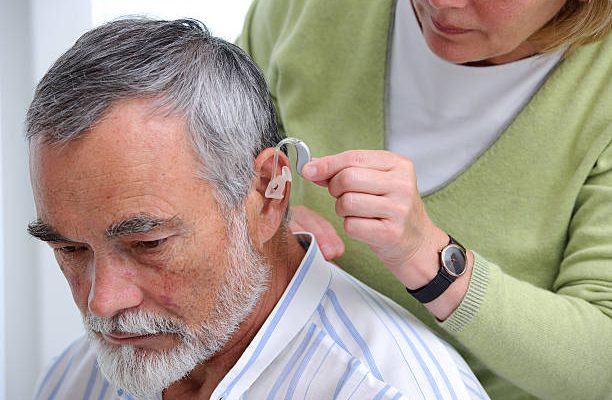
Hearing loss is a concern that is often untreated. Over 35 million people across the United States have trouble hearing. Of the 28 million people who would benefit from hearing aids, just 16% of those aged 20 to 69 and 30% of those aged 70 or older have utilized hearing aids.
If you have hearing loss and don’t have an aid for hearing, it is possible to think about it.
Researchers continue to uncover evidence that hearing loss is a risk factor for dementia (severe degenerative mental illness). However, they’ve found that the risk of developing the disease is reduced when people wear hearing aids.
What is the relationship between dementia and hearing loss?
Hearing loss can affect the body, mind, and emotionally. It may increase the chance of developing:
- Heart disease
- Depression
- Falling
- Hospitalization
Hearing loss can also affect your cognition and brain (the ability to understand and learn), increasing the chance of developing dementia. If you are struggling to hear, it can trigger the brain
Work harder
If you ca unable to hear well, you may need to fill in the gaps. Your brain is trying to connect the things you see around you and the small amount of information you can hear to determine what you’re not listening to. If your brain works frequently, it could affect your memory and thinking capacity.
Atrophy or shrinkage
Your brain’s size decreases with time. However, research has shown that hearing loss can cause the brain to shrink (deteriorate) more quickly, interfering with the brain’s functioning. Dementia is a symptom that brain atrophy is a sign. Other signs include:
- It isn’t easy to communicate
- Memory impairment
- Seizures
- Vision problems
Do not be enticed
A loss in hearing could make social interaction more difficult, as it’s more challenging to hear in noisy places like gatherings, sporting events, and even dining establishments. Research suggests that people with hearing loss are more likely to restrict social engagement. If you can’t engage in social interaction, your brain could struggle to remain fully involved or be stimulated.
How can you determine if you have hearing loss?
The signs that you may have hearing loss are:
- Reminding individuals to repeat their names regularly
- Hearing or understanding issues in noisy places such as restaurants and other places
- Do you need to crank up the volume on your TV or phone?
- Sounds of ringing in your ear
If you experience any of these symptoms, it is recommended to have an audiogram that can be done by the primary health care provider (PCP) or an audiologist (hearing loss expert), or an otolaryngologist (ear nose, and throat specialist). Hearing tests determine how you react to words and sounds of different volumes and pitches. Certain tones could be blended in with noise from the background.
Hearing tests of various types
A hearing test tests several components of your hearing. The tests you take could comprise:
- Acoustic reflex tests the middle Ear Reflex (MEMR) to test your responses to loud sounds.
- Tests for pure tone or audiometry, search for the most tranquil tones you can hear at various pitches.
- Word recognition and speech tests examine whether you can understand spoken words.
- Testing the tuning fork can determine what kind of deafness you suffer and what ear it affects.
- Tests for tympanometry test to decide whether or not you are suffering from health issues with your ear, such as swelling, infection, or eardrum tears.
The causes of hearing loss
Tests could show that you suffer from one of three kinds of deafness:
- Hearing loss due to conductivity is a temporary condition that can be treated due to an obstruction in your ear, for example, an infection or fluid.
- Hearing loss in the sensorineural ear, also known as nerve deafness, can range from moderate to severe and results from problems with the structure of your ear or nerves.
- Mix hearing loss means that you suffer from both sensorineural and conductive loss.
How can hearing aids assist
The nature and severity that you have hearing loss, hearing aids can assist. Hearing aids amplify the sound (make them louder). They also aid in getting those sounds to your ear, transforming the sound into signals transmitted through the brain.
Hearing aids, unfortunately, don’t function like eyeglasses. They aren’t able to completely restore hearing. However, they can help. They may help you perceive some sounds you’ve been unable to hear, and what you hear could sound clearer.
The two main ways hearing aids may be effective:
- Air conduction assists in employing air to transmit the more powerful sound out of the ear canal towards the middle ear.
- Bone conduction can amplify sound and send it into the inner ear, benefiting those with middle or outer ear issues.
Many kinds of hearing aids
Deaf people often opt for hearing aids not to wear due to the way they appear or feel. With the many types of hearing aids on the market, finding one suitable for you shouldn’t be a problem.
The styles of hearing aids are:
- Behind the ear (BTE): A sizeable plastic case house all electronics and lies behind your ears. It is connected to a tiny arm inserted into the ear canal.
- Receiver-in-the-canal (RIC): These hearing aids are smaller than BTE aids but sit behind the ear. It’s connected to a wire and has small, dome-shaped tips. It fits inside the ear canal.
- The ear (ITE): A custom-fit earpiece containing all the electronics is placed inside the ear’s outer.
- In-the-canal (ITC): These tiny hearing aids fit partially or entirely inside the ear canal. All electronics are contained in the compact, custom-fit ear canal.
To ensure optimal comfort and sound, ensure an audiologist or audiologist fits your hearing aids. If you’re considering buying hearing aids that are available over the counter, be aware that these are available with different levels of personalization.







