
 Charles K. Millwood
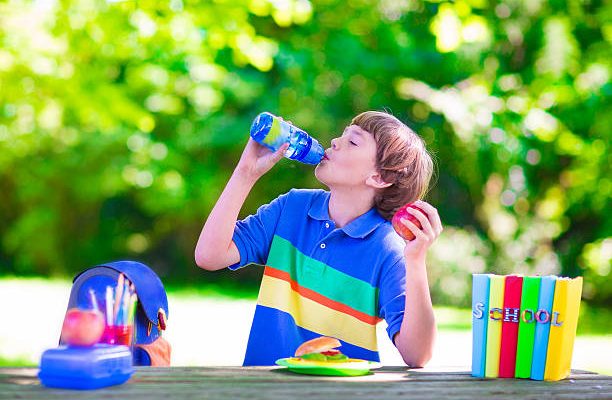
When summer is over, and the beginning of school begins, students are faced with the challenge of waking up early to go to classes and still keeping their enthusiasm in the classroom throughout the day.
Adolescents are more often drinking energy drinks to get an energy boost, says Michael Garcia, MD Clinical Nutritionist at UCLA Health. Between 30% and 70% of teenagers in the U.S. to as many as 70% of adolescents in Europe regularly consume energy drinks, based on recent research conducted by the National Institute of Health and European Food Safety Authority.
Candy-like flavorings, colorful packaging widely available, and targeted marketing could have influenced this latest trend. Numerous brands sponsor sports teams of certain fame or collaborate in partnership with TikTok or YouTube influencers like Logan Paul, whose brand was the subject of an FDA investigation due to its high caffeine content last month.
According to doctors, energy drinks could cause serious health issues for children this age. But there are steps that parents can take to ensure their child is getting plenty of energy without risking harm.
What is the recommended amount of caffeine? Considered safe?
The current recommended dosage for adolescents 12-18 is 100 mg of caffeine daily, per the American Academy of Pediatrics. Energy drinks can have 100-200 mg of caffeine in each cup.
Consuming a lot of caffeine is a risk for teenagers. Caffeine is a stimulant that increases alertness. This, combined with the sugar in energy drinks, helps provide a “jolt” of energy, Dr. Garcia explains. The effects of caffeine can include consequences like a rise in blood pressure and heart rate in addition to insomnia, jitters, and anxiety and are swift than the crash.
Of the frequency with that they drink energy drinks, teens may develop a dependency on the high, as per Dr. Garcia.
“It’s hard to break that cycle, which may lead to withdrawal symptoms like a headache or depressed mood,” the doctor says.
As for teenagers who already have mental illness, the effects may be amplified.
What to be on the lookout for
The first step in healthy consumption of caffeine begins at the grocery store. There are a variety of ingredients that parents can advise their children to be on the lookout for when buying caffeinated drinks.
Initially, it would help to look for the amount of coffee in the serving.
“Energy drinks can contain anywhere from the same amount of caffeine as one cup of coffee to the amount in three to four cups of coffee,” Dr. Garcia says. A cup of coffee contains approximately 75 milligrams of caffeine.
Energy drinks can also include other ingredients, including amino acids such as taurine, sugars added to the glass, and other vitamins that help increase energy.
Taurine is an amino acid essential for infants. However, adults and adolescents naturally produce it and aren’t required to consume more of it, as the doctor. Garcia says. Other vitamins and herbs like ginseng, Ginkgo biloba, and others generally do not pose a risk.
However, sugars added to the diet serve as an “upper” – providing a temporary boost in energy; however, they have “no nutritional value, and have the downside of causing major fluctuations in blood sugar,” says Dr. Garcia.
“I would advise against any added sugars and aandsweeteners like aspartame, and sucralse,” Dr. Garcia says. Researchers are still researching to study the long-term negative consequences of sweeteners made from artificial ingredients.
The doctor says the energy boost they provide needs to be more sustainable over the long haul. Garcia. The benefits that can be obtained from energy drinks could be realized on a sustainable basis with a well-balanced diet.
If you have to drink caffeine, natural sources like simple tea and coffee with no added sugars are better choices since they do not contain the chemical additives present in energy drinks, Dr. Garcia says.
The added health benefits of coffee and tea have been established for adults. But, parents need to be aware that there’s only a little information about the health effects of tea and coffee for children and adolescents.
Breaking the cycle
Many teenagers may be experiencing a dependency on caffeine. There are ways to reduce dependence on caffeine.
Parents should begin with an honest dialogue with their children about the issues they’re trying to solve using caffeine, like fatigue or trouble concentrating. Many of these issues are solvable without caffeine through proper sleep hygiene, adequate protein intake, and regular exercise.
If your child regularly uses caffeine, withdrawal effects could be a bigger worry. The severity of these symptoms is dependent on the amount of caffeine that the teenager is taking in.
“An adolescent drinking two energy drinks a day, versus drinking them once a week, is more likely to experience withdrawal headaches,” Dr. Garcia says. “Apart from headaches, they may experience changes in mood or difficulty sleeping.”
Breaking the cycle could start with gradually decreasing the amount of caffeine you consume.
“It’s similar to any other (addictive) substance, but to a lesser degree,” Dr. Garcia says. “Stopping cold turkey is uncomfortable, but not dangerous.”
Being honest in your approach to the conversation and not focusing on the negatives will make the message about healthy eating get across.
“Listen to your child, acknowledge the benefits they are seeking, but share your concerns for long-term use and the impacts of added ingredients,” Dr. Garcia.
If your child is constantly experiencing problems with tiredness and alertness, You can set up an appointment with the primary care physician of your child for advice.







