
 Charles K. Millwood
Dear readers, thank you for joining the monthly letter column. Are we getting too late in 2023 for you to wish everyone an enjoyable New Year? We’re deep into flu season, as well as lose-those-holiday-pounds season. Both of these are subjects in your letters and the future columns. And now, your questions.
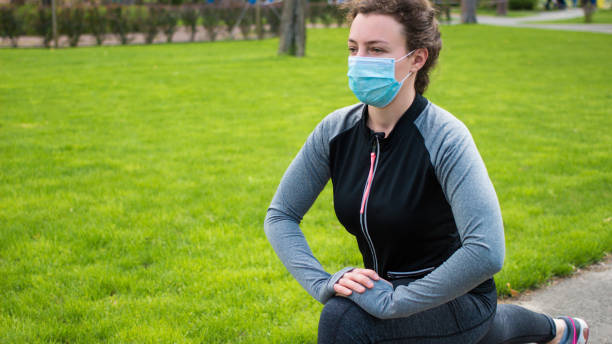
Our column on post-COVID-19 exercise continues to create mail. “When is it OK to resume my walking regimen of about 3 miles daily?” A reader inquires. “I have been walking outdoors, but I find myself tiring easily.” We continue to discover the effects of COVID-19, and the best way to resume exercising is evolving. Patients suffering from fatigue or exhaustion must put aside their routines before COVID-19. Instead, consider every day as an individual unit and work out according to the capabilities of the day. The same kind of pushing oneself, like when we’re active and trying to build endurance or strength, could be detrimental after being diagnosed with COVID-19. Check in with yourself daily, take note of the body’s signals, and stop when you’re exhausted.
– An individual from Virginia has been diagnosed with an inflammatory disease that affects joints and other tissues. He inquired about anti-inflammatory drugs. “In an article about RA, you mentioned newer medications, but didn’t give any names,” the doctor wrote. “While I hope I never need them, I would like to be prepared to have a conversation with my rheumatologist if I do.” The mild instances of RA are generally treated with naproxen, ibuprofen, and other nonsteroidal anti-inflammatory medications. Corticosteroids can also be used. If you consult your rheumatologist about the latest medications, you can inquire about biologics and whether they suit you. It is a category of drugs engineered to focus on specific inflammation-related cells or processes to combat and treat diseases. Biologics comprise monoclonal antibodies. Some have recently been accepted for use in particular instances of RA.
We have recently written about the severe infection caused by Listeria monocytogenes. It is usually caused by eating food that is contaminated. It can trigger a variety of symptoms that include abdominal and body aches as well as headaches, fever, and chills, as well as diarrhea. It’s hazardous for newborns, pregnant women, and those with a weak immune system. An anonymous reader of Illinois wanted to know more about the incidence of listeriosis. “You wrote that about 1,600 people get it each year, and about 260 of them die,” the reader told me. “I would like to know if those figures are for the United States or for the world.” We appreciate the opportunity to clarify. The figures are based on information from the Centers for Disease Control and Prevention and on cases of listeriosis that occur in the U.S. Worldwide; the statistics are much more significant. Although exact figures aren’t readily available, it’s believed that the bacterium infects approximately 24,000 people worldwide yearly and is responsible for more than 5,500 deaths.
We want to say thank you once again to all who took your time and wrote. We appreciate hearing from you and are thrilled that many of our readers find our columns helpful.







