
 Charles K. Millwood
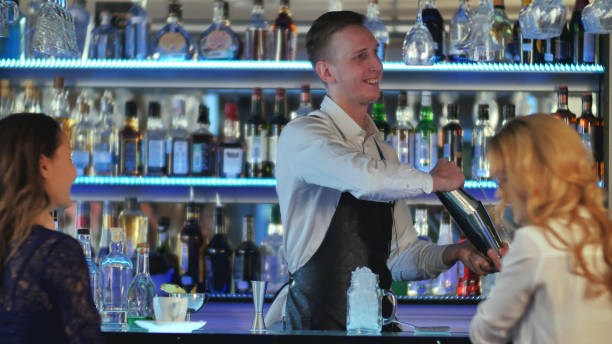
Two people enter the bar. One seems drunk, possibly somewhat confused. Another person orders two double cocktails and two shots of vodka.
In one case, the bartender is serving the drinks before assisting customers. In another instance, the bartender interacts with the intoxicated customer, asking whether they are with other people and calling the person further away.
The nitty-gritty act of the second scenario could have stopped a sexual assault.
Mandated training
In 2021, the city of West Hollywood passed an ordinance that required bartenders and servers in establishments that serve alcohol to undergo training for bystander intervention to help combat sexual violence. In 2022 more than 3,300 employees participated in the training provided through UCLA Health Rape Treatment Center. UCLA Health Rape Treatment Center.
“You are in a position to notice when a dangerous situation might be developing,” said Rape Treatment Center counselor Marisa Faynsod LCSW at an upcoming training session. “And the role of the bystander can be really important.”
The previous scenario involving the bartender, featured in a video that Faynsod posted during the course, illustrated how a single gesture — asking a patron they go to the club to get the attention of a friend could change the direction of the evening’s activities.
“Sometimes there’s this notion that the bystander has to put on a cape and intervene,” Faynsod said. “But the reality is that we’ve learned this isn’t the situation. The presence of bystanders plays a vital role in stopping sexual assault. It usually takes just one person to look with someone.”
Intervention strategies
In the 45-minute course, Faynsod provided statistics on the risk of sexual assault in various genders, including lesbians or bisexual females, who are most troubled. She also offered guidelines for bar and restaurant employees to think about in cases where patrons are at risk.
Watch out for those who could be weak or disabled, she suggested. Be aware of body language, posture, facial expressions, and accent. If you notice something that feels or appears unnatural, a person in the vicinity can change the situation.
It doesn’t need to be complicated or dramatic, she added. A simple question like “Are you OK?” is powerful.
“That lets both the potential victim and the potential assailant know that you’re paying attention,” Faynsod added. “Simply keep eye contact with the potential attacker. As we all know, attackers don’t want to be discovered. Therefore, if they suspect they’re being observed by someone else, them or monitoring them, they might alter their strategy of course of action.”
Its West Hollywood initiative requires all managers to be trained supervisors, bartenders, supervisors, and servers employees aren’t on their own regarding bystander intervention.
“The hope is that this training helps you realize you are in a really special position to increase the safety of the West Hollywood community and the individuals who come to your establishments,” Faynsod explained. “This isn’t about telling you what you need to do, but to start a conversation at your place of employment about noticing the warning signs.”
Faynsod stated that she was aware that the Rape Treatment Center was willing to offer the program in other locations which aren’t in West Hollywood. In addition to providing community education outreach, like bystander intervention training, UCLA Health Rape Treatment Center offers comprehensive, free medical treatment to victims of sexual assault.







