
 Charles K. Millwood
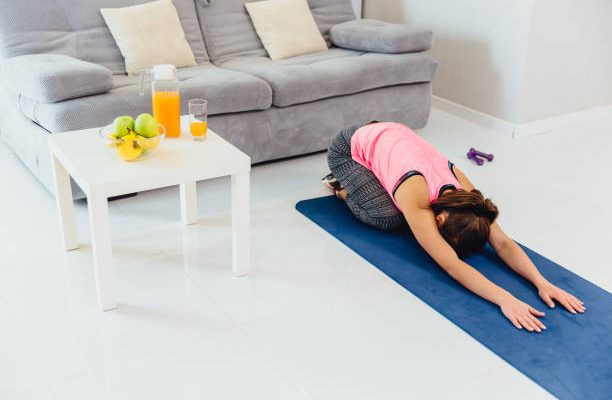
Women susceptible to developing Alzheimer’s disease can boost their brain power, brain neuroplasticity, and memory by engaging in yoga and meditation in a new research study by researchers from the Jane and Terry Semel Institute for Neuroscience and Human Behavior.
The study was conducted by UCLA Health psychiatrist Helen Lavretsky, MD; this study evaluated the effects of training for memory enhancement against Kundalini yoga on ladies in their mid-70s with a high risk of vascular disease for Alzheimer’s and other memory problems. The participants took an hour-long memory-training class every week for 12 weeks. They also completed around 15 minutes of daily practice at home.
According to the study, the memory training and the yoga group showed improvement in mood, cognition, and resiliency. “But where they differed was in brain variables and also in immune function, shown by changes in inflammatory markers and gene expression,” Dr. Lavretsky says.
“The yoga group preserved their gray-matter volume in multiple areas of the brain relevant for cognitive function,” she declares. “And the memory group declined — there was a decrement in gray-matter volumes.”
Yoga participants also showed improvement in their subjective perception of memory functions. The memory-training group gained in terms of objective memory tests. This means that the yoga group felt that their memory was improved even though the accurate tests did not show any improvement. Likewise, the memory-training group increased their memory but didn’t believe it.
The benefits to the brain of yoga
The second research that Dr. Lavretsky and her colleagues conducted compared the benefits of yoga for cognitive enhancement to memory training. The initial study examined the effects of these two interventions on individuals with mild cognitive impairment. Similar to the study just published, the results showed that both groups showed improvement in memory tests. However, the yoga group also had better moods, more resilience to stress, and a more significant improvement in executive functioning (mental processes that enable the planning and monitoring of the thoughts and behavior of a person).
The study also revealed significant changes in the inflammatory markers exhibited by the yoga-based group, in addition to “change in the gene expression within the inflammatory pathways and with the improved brain structure and functional connectivity,” Dr. Lavretsky says.
Dr. Lavretsky was inspired to investigate the benefits of yoga for memory after earlier studies discovered improvements in cognitive function for caregivers who engaged in meditation associated with Kundalini yoga, also known as Kirtan Kriya.
Kirtan Kriya is chanting mantras as you tap your thumb with your fingers (similar to Acupressure) and imagine white light entering the top of your head. The study found that stressed but healthy caregivers performed Kirtan Kriya or listened to soothing music for 12 minutes each daily for eight weeks. Researchers discovered that participants who were in the meditation group had fewer depression symptoms and also improved the quality of their lives and cognition functioning as compared to those who listened to the music. Meditation also led to improvements in the signs of stress-induced cellular aging.
“Before I started doing these studies, the usual perception of yoga was that it’s good for stress reduction,” Dr. Lavretsky says. “Nobody thought of yoga as being a brain-fitness exercise that could lead to better plasticity.”
In later studies, older participants took an entire yoga class every week in addition to their at-home practice, including Kirtan Kriya. The yoga class consisted of gentle stretching, breathing exercises, movement, chanting, and meditation, making it a multi-component therapy that stimulates various brain regions, leading to changes in cognition and brain function,” Dr. Lavretsky declares.
Try it for yourself.
If you can devote the time to spend 12 minutes every day to study and practice Kirtan Kriya practice “would provide you with the tool for self-regulation accompanied by significant biological changes in stress response and cellular aging that can rejuvenate your body and brain,” Dr. Lavretsky says. “But If you could make an hour every week, that could be even more beneficial. I generally suggest doing a variety of exercises. Combining yoga with memory training can provide greater benefit to your brain and body.”
Any form of mindfulness-based practice, like tai chi, meditation, Qi gong, or yoga, can be beneficial, says Dr. Xiao. Mind-body exercises have been proven to lower the number of medications people require, enhance academic performance, enhance sleep quality, reduce perceived stress levels, and enhance relations. Breathing-based exercises, like yoga, reduce the risk factors for vascular diseases by lowering the doctor’s heart rate and blood pressure. Lavretsky adds.
“Breathing is so universal — it’s a powerful tool for self-regulation,” she declares. “And there’s no controversy about it. It’s not religious. It’s not spiritual. You do not have to be a believer in the things. Just breathe slowly and mindfully to create a lasting physical change and decrease stress.”
For instance, performing 3-3-3-3 minutes of “boxed breathing” (inhaling for 3 seconds, holding for three seconds, exhaling after 3 seconds, and then holding until 3 seconds) could increase your breathing pace to 5 breaths per minute. Adds and could help improve feelings of peace and reduce the heart rate and blood pressure by up to 20 to 30 points. Children in preschool could be taught this, and it will give them a long-lasting tool to counter the consequences of stress and anxiety, according to her.
If meditation, breathing, or yoga do not appeal to you, go with the flow, as Dr. Lavretsky suggests.
“Do things that are joyous and that will enhance your quality of life and your level of happiness and contentment,” she declares. “You can dance. You can walk along the beach or do breathing exercises. Nature is believed to lower stress levels. This is why it’s not a strict regimen. You are able to alter it based on your personal preferences and enjoy the same peace which can be beneficial to your body as well as your mind.”







