
 Charles K. Millwood
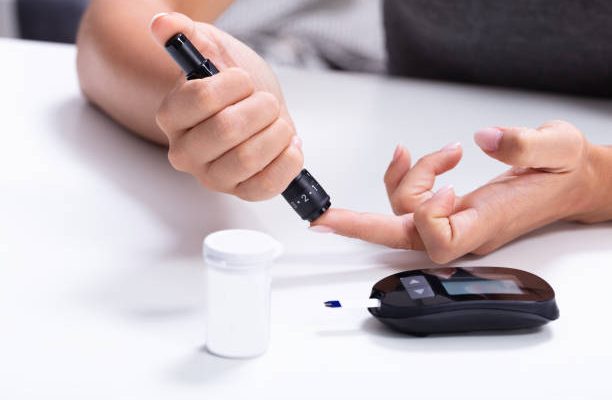
Although a continuous glucose monitor (CGM) is designed and used by people who have diabetes to assist them in keeping on top of their blood sugar levels, a growing amount of those who do not have diabetes are utilizing these devices to assist in making adjustments in their eating habits.
“We never know how people are going to react to different foods, so wearing a CGM can help guide them with their choices,” said Vijaya Surampudi, MD, an endocrinologist and a medical assistant professor in UCLA’s UCLA Health Division of Human Nutrition.
Even if a person does not have diabetes, they might have some degree of insulin resistance or could be in the pre-diabetes range that could cause certain foods to raise their blood sugar levels to unhealthy levels.
“Everyone says oatmeal is great, but for some people, they eat oatmeal and their blood-sugar level shoots up over 200,” Dr. Surampudi said. “With a CMG, they can identify that and recognize that oatmeal perhaps is not the best food for them.”
Benefits of monitoring the levels of glucose
Food significantly impacts your glucose levels, but it’s not the only factor that can impact your blood sugar levels. It is the Centers for Disease Control and Prevention (CDC) provides a list of various factors that could affect your glucose levels:
- Sleep deprivation: If you’re not getting adequate sleep, your body will use insulin less efficiently.
- Coffee Certain coffee lovers may not realize how their sugar levels are sensitive to caffeine.
- The term “dehydration” refers to the condition of being dehydrated. Glucose concentrations are higher than usual when your body doesn’t have enough water.
- Training: Some kinds of exercise may lower glucose levels in some cases, while high-intensity or weightlifting exercises may raise it.
- Breakfast skipping: If you regularly skip breakfast, your blood sugar levels may increase after dinner or lunch.
- The stress response: A rough day at the office or in a heated dispute with a colleague or spouse could cause blood sugar levels to rise.
It’s not the only advantage of wearing CGMs. CGM
Using a CGM could help someone who doesn’t have diabetes make better nutritional decisions. However, it can also cause users to be overwhelmed by the amount of information.
“I’ll give a personal example,” Dr. Surampudi relates. “During my first pregnancy, I was afraid about developing gestational diabetes. So I had a glucose sensor. However, I began to be extremely preoccupied by the blood sugar readings from the sensor and I was not eating enough. Although I was aware of the information I have that it took the best of me.”
CGMs don’t always generate precise readings because the sensor monitors glucose levels only within the interstitial fluid between the skin layer and not within the bloodstream. But Surampudi, Dr. Surampudi said the devices are still efficient.
“The most accurate thing we have for measuring exact glucose levels are actual blood draws,” Dr. Surampudi said. “But when we’re talking about trends and patterns, a CGM does a great job.”







