
 Charles K. Millwood
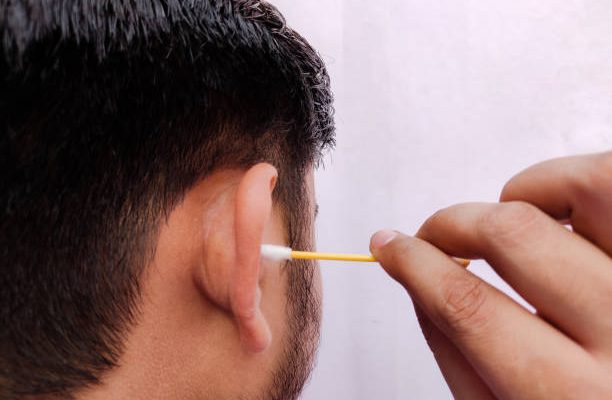
Earwax (also known as cerumen) is the ear’s natural shield. But it’s not always easy. Earwax can affect hearing or cause infection and can be pretty uncomfortable. Many people feel it’s filthy and resist the urge to wash it out, mainly when they think or can see it.
However, removing or eliminating an earwax that isn’t caused by a medical issue could cause issues deep inside the ear. To help you understand the rules and regulations of earwax removal and ear cleaning, We’ve compiled the following information:
1. Earwax is vital
Your ear canal is filled with tiny hairs and glands that naturally release waxy oil. Earwax shields the channel and the inner ear as a moisturizing agent, lubricant, and repellent against water.
When you use your jaw to talk or chew on food, this movement aids in moving the wax toward the ear’s opening outside, which allows it to be drained. As it progresses, the wax accumulates and eliminates dangerous particles, dead cells, and dirt skin cells, which can cause an infection.
2. Most people don’t even need to clean their ears.
If the wax inside the ear causes an obstruction, you shouldn’t go beyond your means to wash the ear canals. When earwax moves naturally towards the ear’s opening canal, it usually falls out or is washed away.
It is generally enough to remove wax buildup on your ear’s surface. After showering, you will notice that a tiny amount of warm water flows into your ear canal, which loosens the accumulated wax. Utilize a damp washcloth to remove any remaining polish from the ear canal.
3. A piercing earwax in the event of an impact can cause pain
About 5% of adults have earwax that is too thick or affected. Specific individuals naturally make more than other people. Earwax that isn’t moving quickly or accumulates much dirt on its way may become dry and hard. Others produce a similar amount of wax. However, it is susceptible to being damaged by earplugs, earbuds, or hearing aids disrupting natural flow.
Whatever the reason, it will build up, and earwax may impact the quality of your hearing, causing discomfort. If your earwax has been affected and you experienced any of the following symptoms:
- Aching ear
- Ringing in the ear
- Hearing impairment
- Odor
- Dizziness
- Coughing
4. Cotton swabs aren’t suitable for your ears.
You might be tempted to take a swab of cotton and work on removing the wax immediately after you spot it or sense it. But, in reality, you’re doing much more damage than you gain. The use of cotton swabs could:
- Injure the tiny hairs that protect the ears.
- Inject more wax into the inner ear
- The ear canal is a delicate skin, which could cause bleeding or infection
Cotton swabs can be used to cleanse the exterior of the ear. Make sure not to put them in the canal of the ear.
5. Health professionals can be able to remove earwax safely
Earwax removal is among the most commonly used surgical (ear and throat) procedures performed by primary health care providers (PCPs) across the United States. Your doctor is trained to soften and remove earwax with special tools such as a spoon for wax suction devices, ear forceps, and the long and thin instrument used to remove the earwax.
6. There are safe methods to get rid of ear wax at your home
If you experience a lot of earbuildupldup in your case, your healthcare specialist may recommend regularly removing it at home before it is affected. It is possible to remove earwax at home by using the following tools:
Softening drops
Drops for ear infections that are available over the counter, typically containing hydrogen peroxide as the primary ingredient -can ease the hardenedness of wax. Your doctor will tell you the amount of drops to apply each day and the number of days you should use these drops.
Your physician may suggest against using ear drops if you are suffering from the following:
- Recurrent ear infections
- The eardrums are full of holes
- Surgery for the ear before surgery
Ear irrigation
Incorporating irrigation (gently washing) the ear canal may decrease the possibility of impaction of the earwax. This involves using a syringe made of rubber to inject water or a saline solution into the ear canal. If the answer or water goes from the ear, it removes ear wax that has been loosened.
Use ear drops with wax softening before cleaning your ear for the most effective outcomes. Be sure to warm the solution to body temperature. The cold water could trigger the vestibular nervous system (related to movement and position) and cause dizziness. If you continue to experience symptoms of earwax irritation after flushing your ears, call your doctor.







