
 Charles K. Millwood
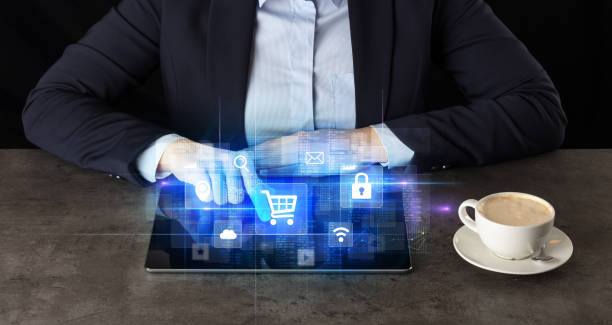
Here are some ideas to enhance the in-store experience with digital technology.
Customer experience is the sum of all consumer interactions with a company across all channels. The customer experience includes the social media presence of a brand, its mobile apps, website, customer service chats, voice calls, and brick-and-mortar storefronts. Today’s customers expect a seamless and exceptional experience across these media. Customers are returning to physical retail outlets as the pandemic begins to fade. Take a look at how the physical experience affects the digital experience and vice versa.
Returning Customers to Retail Outlets
The pandemic influenced a significant shift in consumer behavior. Consumers embraced online shopping, curbside pickup, and home delivery due to lockdowns, business closures, and social distancing. Many consumers still use online shopping to fulfill their retail needs. However, some have returned in person to brick-and-mortar outlets. According to 2022 Capgemini’s report in November 2020, 34% of consumers said they had significant interactions with brick-and-mortar stores. This number grew to 67% by November 2021. In addition, 72% of respondents said they expected to resume significant interaction with physical stores after the pandemic subsides. In May 2022, according to a CNN report 2022, online sales grew by 2.2% compared to the same period a year earlier, while in-store retail sales grew by 13.4%. In-store shopping is slowly returning to consumers.
Peter Messana is the CEO of Searchspring. The company provides search, merchandising, and personalization platforms. He told CMSWire that customers who are returning to in-store shopping have begun to realize that online shopping can’t replicate many aspects. As consumers return to shopping in person, they will remember the things they liked about their in-person experience before the pandemic: the store associates who knew their preferences, fitting rooms where it was easy to try clothes on, and the social interaction with other shoppers and employees,” Messana explained.
Brian Greenberg is the CEO and founder of Insurist. This service compares insurance quotes. He told CMSWire that as the pandemic begins to fade and customers return to retail shops, retailers need to rethink how they interact with their customers. Greenberg said that customers would expect an exceptional experience in a physical store or on their smartphone. They’ll wish to find what they want when they need to. They’ll also enjoy an experience tailored to their preferences and needs.
Brand experience is expected to be consistent.
Greenberg said that customers expect to have the same experience in brick-and-mortar retail outlets as they do on the online ecommerce website of a brand. Customers expect to be acknowledged, and brands must find a way to extend their online experience to brick-and-mortar.
Ricky Joshi is the co-founder of Saatva and chief strategy officer. He told CMSWire he created and outfitted his in-store viewing room to recreate the digitally native experiences his customers enjoy with his brand. Joshi said that the viewing rooms are designed to be self-guided areas where customers can learn about our award-winning mattresses and bedroom products at their own pace. They can also receive personalized assistance when they need it from our sleep guide.
Joshi does not view the customer’s in-store experience as separate from that of the digital experience. Instead, he views them as complementary. We see our physical retail presence in the store as a way to enhance our brand. After COVID, including innovative technology that streamlines the shopping experience will be crucial.
Messana stated that personalization is best for brands to bring their physical experience online. Personalization is the best way to get a physical experience online. It allows brands to interact with customers like that interacting in-store. Messana explained that personalization could be used to make recommendations that guide shoppers through an ecommerce site, just like a store associate. Messana added that the offers can appear in search boxes, emails, or landing pages. If done correctly — with engaging personalized elements aligned with the company’s brand — the ecommerce shopping experience can mimic the friendliness, ease, and convenience of an in-store shopping trip.
It is possible to eliminate or reduce many barriers preventing customers from buying online when they would do so without hesitation in-store. The ecommerce site can make sizing more convenient for shoppers who need access to a fitting room in-store. Messana said that an ecommerce website could display items in the customer’s average size or offer size-checking options based on previous purchases.
Many online retailers are looking for ways to mimic the in-store shopping experience. One way is by offering “try before you buy” options. Amazon’s Buy Before You Try program lets customers order clothing online, try it at home for seven days, and decide whether to buy or return the item. Sephora and other retailers use augmented reality technology to allow customers to test out makeup before they buy it virtually.
Online shopping often needs more socialization than customers seek from in-store experiences. Brands are exploring ways to bring socialization into the online shopping environment. Messana said retailers can improve socialization by personalizing and increasing user-generated content on their e-commerce sites. “This can come in the form of ‘similar-users-bought-this’ recommendations or reviews from shoppers who usually buy the same size,” adding that these aspects will help with social-proof marketing that gives shoppers the confidence to make a purchase.
Learning Opportunities
The consumer expects each brand channel to enhance rather than diminish the other. Joshi said that digital and physical retail experiences should complement each other. They must also be consistent as well as seamless.
Kristin Dorsey is the VP of Marketing at Linc. They provide a platform for customer experience automation. She told CMSWire that retail brands must understand that CX can’t be measured or felt through one lens. Dorsey said that the brand’s experience is felt in many places, including the website, the phone, the app, the parking lot, and more. The experience a customer has in a physical store may influence their expectations of the online experience. If the background is terrible on one channel, it will affect the entire experience.
The Physical and Digital are connected.
Shopping in stores is a social activity that takes a lot of work to duplicate online. Most consumers still value interacting with other customers, holding products, trying on outfits, and asking an employee for help. Today, many consumers research products online before visiting a retail outlet. They are, therefore, better informed when they go to the store. They may also bring the outlet’s mobile app with them, allowing them to find the product in the store and get discounts and deals. This will enable the consumer to continue their positive shopping experience from the online store.
Keith Carpentier is the CEO of Qbuster Technologies. The company, which claims to be leading the digital transformation in retail by bringing online power to the in-store shopping experience, has a unique perspective on the relationship between the physical and the digital shopping experience. Carpentier, CEO of Qbuster Technologies, told CMSWire that retail is more than just a simple procurement of goods. It is about connecting customers with what they need when they need it. “It’s about community. It’s about the experience. “It is about being a human,” he stated.
Carpentier said that today’s consumers do not want to shop in a binary way — online or at a store. Customers wish for consistency and fluidity wherever they shop. The adoption of technology and its inclusion in traditional brick-and-mortar shopping has exploded since COVID-19. This trend will continue to grow. Carpentier believes this revolution marks the next stage in retail, where digital and physical combine to create a richer customer experience.
Emilia Vahvelainen reiterated, much like Carpentier did to CMSWire that the future is omnipresent tech — physical and digital models are merging — and that new challenges and opportunities come with it. Vahvelainen said that brands and retailers who harness technology across all functions will be the ones to win in the 2020s. She suggested that brick-and-mortar and online stores are more connected than ever, creating more complex consumer journeys and responsibilities for retail staff. Vahvelainen said that brands need to be at every stage of the consumer journey and that they should show up in a way that speaks to all aspects of customer experience, including discovery, consideration, purchase, and post-sale service. This requires a level of flexibility and agility never seen before to adapt to changes.
The takeaway: Customers expect seamless experiences
Physical customer experience is inextricably linked to digital customer experience. Consumers today expect a seamless and consistent experience across all brand channels. Today, brands must integrate digital technology into their in-store experience and vice versa. This will provide a personalized customer experience that will delight and engage them throughout the journey.







